 is here! Shop now, pay later in 4 easy installments


$155.99
$323.65
52% off


When shopping for bedding, you may notice the OEKO-TEX® Standard 100 label on sheets, pillowcases, mattress protectors and other textile products. It sounds technical, but the idea behind it is actually quite simple.
OEKO-TEX® Standard 100 is a recognised textile testing standard that checks materials for a wide range of substances that may be harmful to human health. For bedding, this matters because these fabrics sit close to your skin for hours every night.
Unlike a label that only tells you about thread count, fabric type or softness, OEKO-TEX® Standard 100 focuses specifically on textile safety. Depending on the product, testing can cover the fabric itself as well as other textile components such as sewing thread, labels and prints.
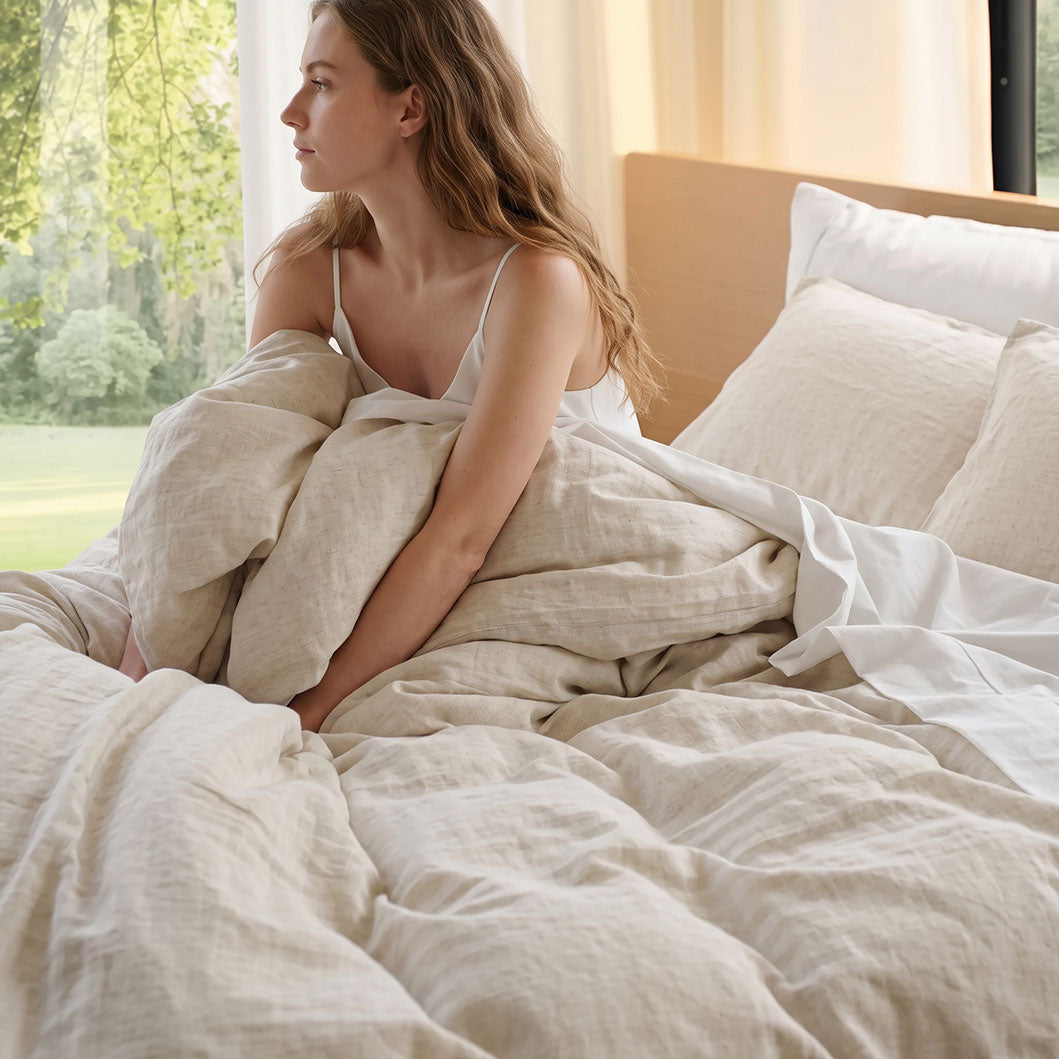
Bedding is different from many other household textiles because of how long it stays in contact with the body. Sheets, pillowcases and mattress protectors are used every night, often for many hours at a time.
That is why material testing can be useful when choosing products for everyday use.
A product that meets OEKO-TEX® Standard 100 has been tested against defined limits for a broad range of unwanted substances. The closer the textile is intended to be to the skin, the more relevant that testing becomes.
This can be particularly reassuring when choosing:
At Audreamy, our bedding range is made to meet OEKO-TEX® Standard 100 requirements, because we believe comfort should not only be about how bedding feels, but also about the materials used to make it.
Not by itself.
OEKO-TEX® Standard 100 does not tell you whether one sheet set is softer, cooler or more durable than another. Those qualities still depend on things like fibre type, weave, construction and overall manufacturing quality.
For example, bamboo-based bedding may be chosen for its smoother feel and breathability, while cotton is often preferred for its familiar texture and everyday versatility. Two products can both meet OEKO-TEX® Standard 100 and still feel very different to sleep on.
That is why certification should be seen as one part of the bigger picture.
When choosing bedding, it is worth looking at material, breathability, fit, care instructions and how the fabric actually feels to you, rather than relying on one label alone.
For something you sleep on every night, it makes sense to pay attention to more than colour and thread count.
OEKO-TEX® Standard 100 gives shoppers another useful way to understand the textiles they are bringing into the bedroom. It does not replace comfort, fabric quality or good design, but it adds an extra layer of confidence.
That is why Audreamy includes this standard across its bedding range — so customers can choose sheets, pillowcases and other everyday essentials with a clearer understanding of the materials they are sleeping on.



Subscribe and get first order 10 AUD off with code:AXFTC10
(Minimum purchase of $300)